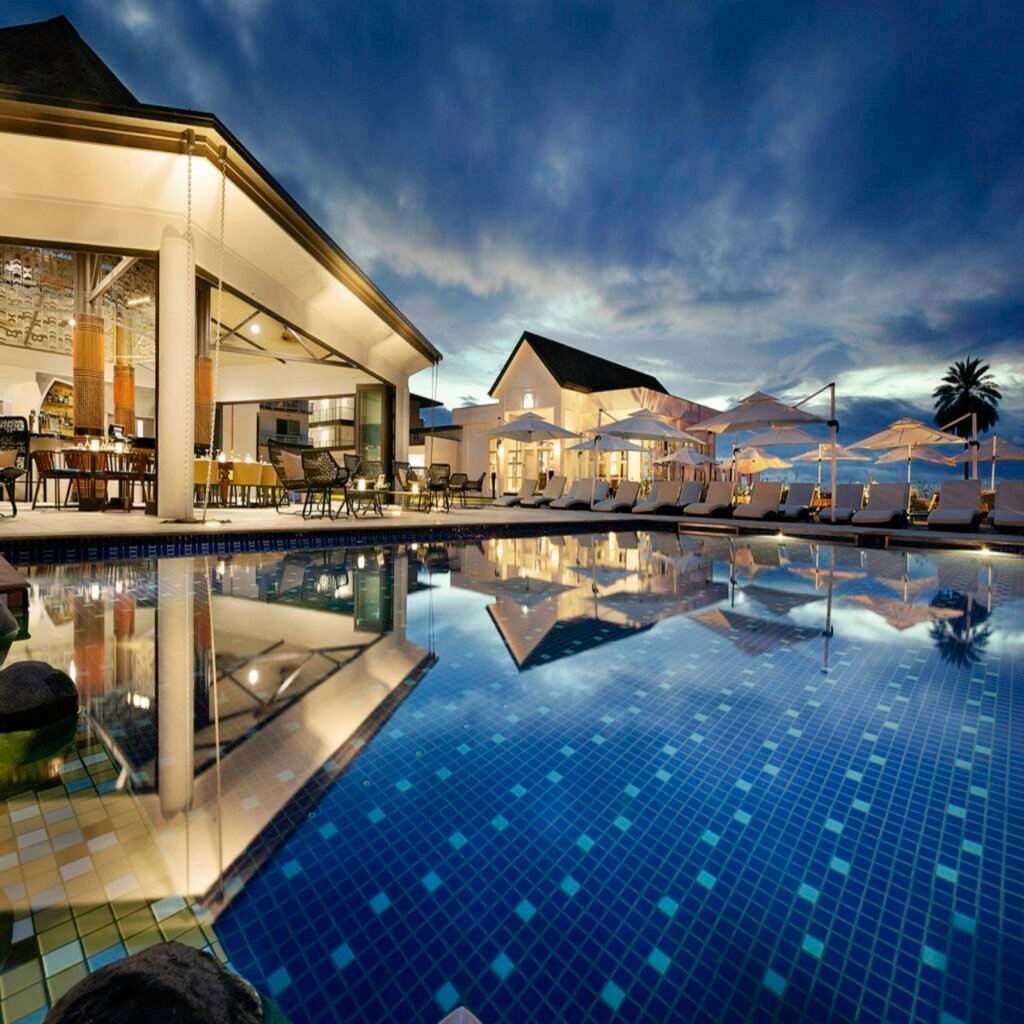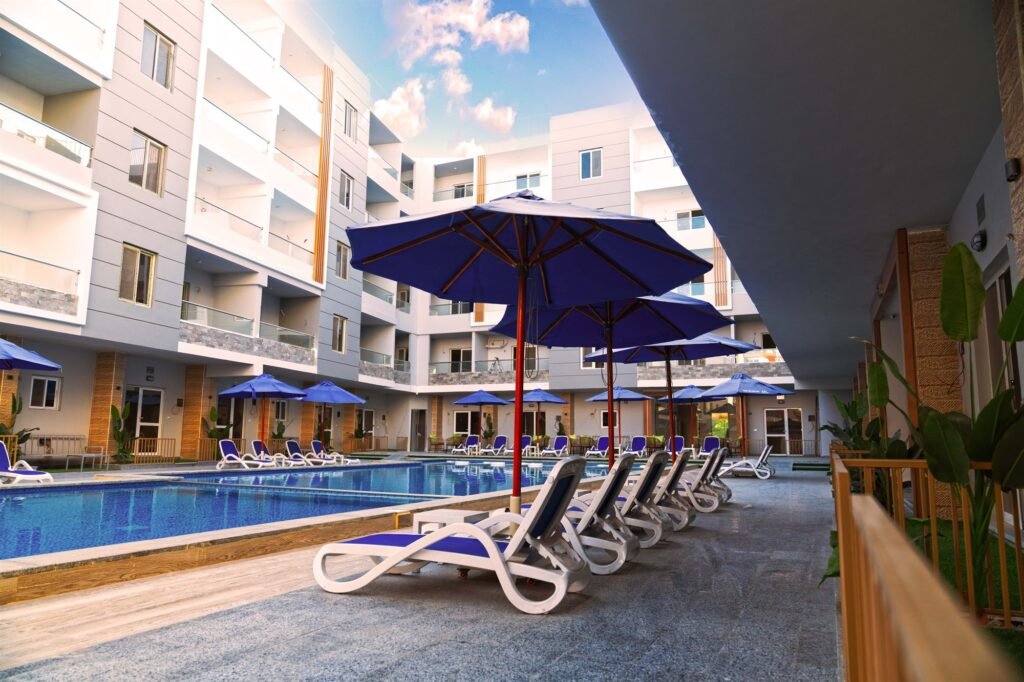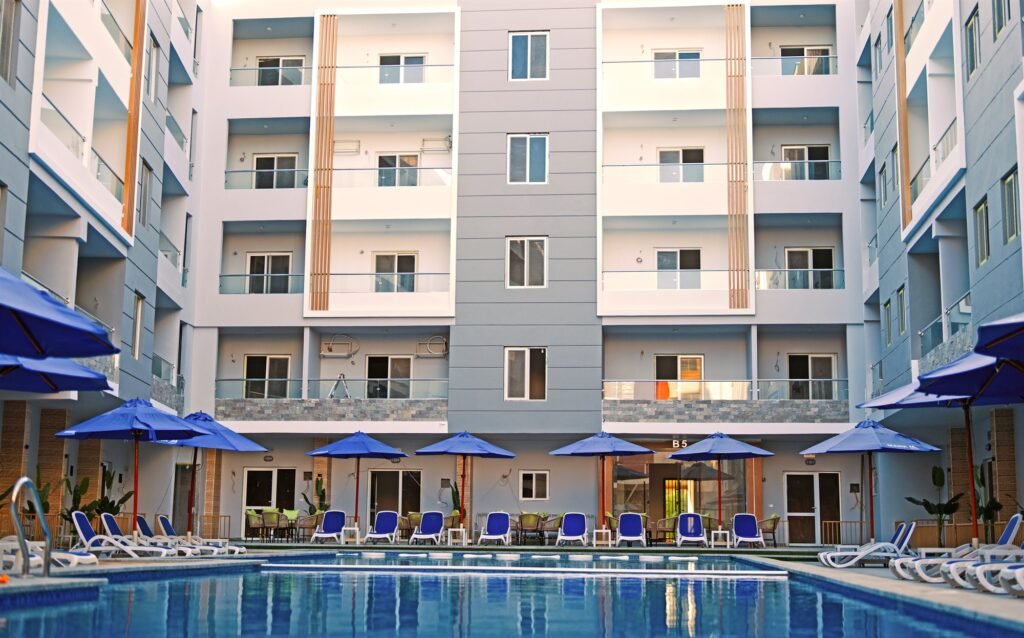
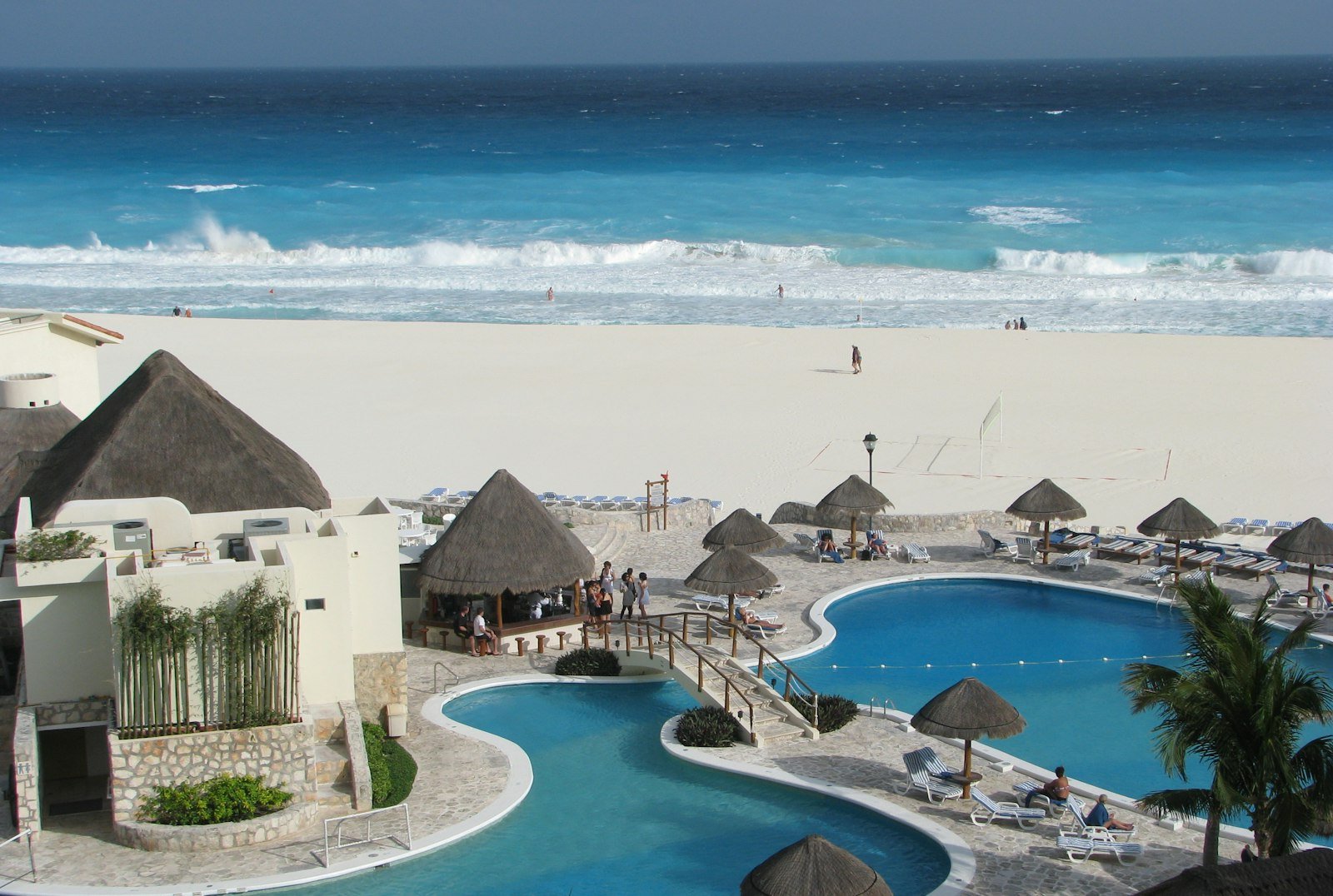
A coastal building is judged by what survives. The materials, detailing and maintenance choices that separate a Red Sea home from a seaside rendering.
A render shows the building at its best: clean lines, turquoise water, a palm in the right place. The coast tests something else. It tests the seal around the window, the grade of the hinge, the coating on the railing and the fall on the balcony.
A building can look right on day one and tired in three years if the envelope and the materials are wrong. Good coastal design is mostly invisible. You notice it when the doors still close properly, the walls are dry and the railing has not started to bloom with rust.
The short answer
Coastal durability comes from four things: an envelope that controls sun and water, materials chosen for salt and humidity, detailing that lets water leave, and a maintenance plan that assumes the coast will win if nobody is watching. The look should follow those decisions, not replace them.
The coast is a weathering machine
The Red Sea is kind to a holiday and hard on a building. The main pressures are predictable.
- Salt air. Salt settles on every surface and accelerates corrosion on metal, especially at joints, scratches and cut edges.
- Ultraviolet light. Strong sun fades paint, degrades sealants, embrittles plastics and breaks down fabrics.
- Humidity. Moisture sits in closed rooms, wardrobes and wall cavities, and mould appears where air does not move.
- Wind-blown sand. Sand abrades coatings, blocks drains and finds its way into tracks and hinges.
- Thermal cycling. Surfaces heat and cool every day. Materials expand and contract, and joints open over time.
- Rain events. Rare, but heavy. A coast that is dry for months can deliver a season of water in an afternoon.
A building that ignores any one of these will show it within a few summers.
The envelope comes first
Before finishes, the building needs a skin that manages sun and water.
- Orientation and shading. Deep balconies, overhangs, screens and pergolas reduce the heat that reaches the glass. Shade is cheaper than cooling.
- Glazing. Good glazing controls heat and glare. The specification matters more on west-facing glass than on a shaded north wall.
- Insulation. Roofs and walls need insulation appropriate to a hot climate. A well-insulated roof is the difference between a comfortable top floor and an oven.
- Cross ventilation. Openings on more than one side let the building breathe when the sea breeze is available.
- The sea-facing facade. It takes the worst of the salt, wind and sun. It needs the best materials and the most careful detailing, not the cheapest.
- The roof. Parapets, copings, drains and waterproofing decide whether the top floor stays dry.
Materials that survive
The material schedule is where coastal design becomes concrete.
- Aluminium, powder-coated. Light, corrosion-resistant and stable in salt air. The coating and the fixings matter as much as the frame.
- Marine-grade stainless steel. For railings, fixings and hardware exposed to the weather. Lower grades stain and pit.
- uPVC or aluminium for windows. Untreated timber and mild steel are maintenance liabilities on the coast.
- Porcelain or sealed stone for floors. Dense, stable and easy to clean. Porous stone needs sealing and care.
- Corrosion-resistant hinges, locks and handles. The small hardware fails first, and it is the most annoying failure in daily life.
- Exterior-grade sealants and paints. Standard interior products do not last on a sea-facing wall.
- Compatible metals. Mixing metals can create galvanic corrosion at the joint. The detail matters, not only the specification.
Ask for the material schedule in writing. A finishes board in a sales office is not a specification.
Detailing lets water leave
Water needs a route out. If it does not have one, it will find one through the building.
- Falls on balconies and terraces. The floor should slope away from the door, toward a drain that works.
- Thresholds and upstands. The door detail should stop water from tracking inside during wind-driven rain.
- Weep holes and drainage channels. Small openings that let water escape from cavities and tracks.
- Expansion joints. Materials move. Joints should accommodate the movement rather than crack.
- Sealant joints. Correct width, correct product, correct application. A thin bead of cheap sealant is a future leak.
- AC condensate drains. A dedicated route to a drain, not a pipe dripping down the facade.
- Cable and pipe penetrations. Every hole through the envelope is a potential leak. They should be sealed and accessible.
- Parapets and copings. The top edge of the building takes wind and rain. It needs a proper cap and a drip detail.
- Window sills and reveals. Water should leave the wall, not sit on it.
Most water damage starts at a detail that was too small to photograph and too important to skip.
Windows, doors and air conditioning
These are the parts owners touch every day, and the parts the coast attacks first.
- Gaskets and seals. They should be continuous, flexible and replaceable.
- Tracks and runners. Sand and salt collect there. A track that cannot be cleaned will jam.
- Hardware. Handles, locks and hinges should be specified for coastal exposure.
- Wind load. A sea-facing opening needs to handle the wind and rain of a storm, not only a calm morning.
- Insect screens. Practical on the coast, and better specified at the window than added later.
- AC placement. The outdoor unit should be shaded, accessible and not directly in the salt spray.
- AC coils. Corrosion on the coil reduces performance and shortens the unit’s life.
- Condensate and service access. The drain should be visible and the unit reachable without dismantling a ceiling.
Interiors need to breathe
A closed apartment in August is a humidity test.
- Ventilation. Extractors in bathrooms and kitchens, and a way to move air through the unit when it is empty.
- Wardrobes and joinery. Back panels need air and a surface that does not trap moisture.
- Paint and timber. Products intended for humid interiors, applied correctly.
- Fabrics and furniture. Natural fibres, washable covers and materials that tolerate damp.
- Kitchen hardware. Hinges, runners and cutlery trays in a humid climate.
- Dehumidification. For units that sit empty for months, a plan is better than a surprise.
Pools, beach and landscape
The shared areas take the heaviest use and the fastest wear.
- Chlorine and salt. Pool plant, rails, ladders and surrounding materials need resistance to both.
- Slip resistance. Wet floors around pools and showers are a safety issue, not a finish choice.
- Drainage. Pool decks, showers and beach access need falls and drains that keep water moving.
- Equipment rooms. Pumps and filters need access, ventilation and a service route.
- Salt-tolerant planting. The right species survives the wind and spray. The wrong one dies and gets replaced every year.
- Irrigation and roots. Water and roots can damage paving and structures if the landscape is not planned.
- Shade and windbreaks. Trees and structures can make the outdoor areas usable for more of the year.
- Beach structures. Shade, steps and access need maintenance and a clear owner.
Maintenance is part of the design
A coastal building is a maintained building. The design should make maintenance possible.
- Pre-summer. Service the AC, check the seals, clear the drains, inspect the pool plant and check the shading.
- Post-summer. Look for corrosion, mould, loose fixings and water marks after the busy season.
- Annually. Inspect sealant joints, paint and exterior hardware. Replace before failure, not after.
- Every few years. Repaint and renew the exterior coatings on a cycle, not when the wall looks bad.
- Access. Safe access to the roof, the facade, the AC units and the risers.
- Spare parts. Standard fittings are easier to replace than bespoke ones.
- A budget. Maintenance is a line in the service charge, not an emergency.
A building with no maintenance plan is not low-maintenance. It is deferred maintenance with a nicer brochure.
What buyers should ask
- Which materials are specified for the facade, windows, railings and hardware?
- What grade of stainless steel is used on the exterior?
- What is the glazing specification, and how is the west facade shaded?
- How is water managed on the balconies and terraces?
- What is the warranty on the windows, the AC and the waterproofing?
- What maintenance does the community plan, and at what cost?
- Can I see a completed project from the same developer?
- What has failed in earlier projects, and what changed as a result?
- Are the as-built drawings and material schedules available?
A render is not a building
Renders are illustrations. They show the idea at its best, with no salt, no rain and no maintenance.
To judge the reality, visit a completed project. Look at the edges: the window reveals, the balcony drains, the railings, the roof, the base of the walls. Ask the owners how the building has aged. Check whether the landscaping survived. Look at a building after a few summers, not a show apartment after a few months.
The coast does not care how the render looked. It tests the seal around the window, the grade of the hinge and the fall on the balcony.
Where our releases sit
Al Arabia builds in Al Kawther in the south and Al Ahyaa in the north. For Mark Resort and Athena Resort, we will walk you through the material and detailing choices in the unit you are considering, the shading and glazing approach, and the maintenance plan for the community, so the design conversation covers what happens after handover as well as what appears in the render. Talk to the team or compare the current releases.
For the amenities that carry their weight over time, read Luxury Resort Amenities That Actually Add Value. For the climate and connectivity behind the coast, read Why Hurghada Is Egypt’s Red Sea Investment Hotspot.
See it in our projects: Hurghada Heights and Lavanda Beach Resort are both selling now in Hurghada. For current units, prices and payment plans, message our team on WhatsApp.
Ready to talk it through?
Our team can walk you through the details for any of our communities.