You can buy well without flying out. How to inspect remotely, verify a developer, protect your payment and take handover from another country.
Most overseas buyers make the same mistake with the same good intentions. They fly out once, at the end, to sign and collect keys. The decisions that needed a visit were made months earlier, from a brochure, a payment schedule and a video narrated by the seller.
Distance is not the problem. Unverified distance is. You can buy well on the Red Sea without living there, provided you replace the visit with documents, a live inspection and a payment path you can trace.
Decide what the visit is actually for
A viewing answers four questions that no photograph can. If you cannot be there, each one needs its own substitute.
- View and light. Which floor, which side of the building, what the balcony actually faces, and what will be built beside it.
- Build quality. How the windows close, how the doors sit, how the finishing has aged in a completed block.
- The neighbourhood. Noise, access roads, distance to the beach and to the shops you will use, and what the area feels like at night.
- The developer’s record. A finished project you can walk through, and owners you can speak to without the sales team present.
Replace the viewing with a live inspection
A pre-recorded walkthrough is marketing. A live call is evidence, because you can ask for the awkward angle.
- Ask for the exact unit number, block and floor before the call, and confirm the view is from that unit rather than a show apartment.
- Use a live video call, not a folder of photographs. Ask the camera to hold on the window frames, the bathroom corners, the balcony edge and the meter cupboard.
- Ask for a tape measure against the main room and the terrace. Compare it with the contract area.
- Test the small things: run the taps, flush, open and close every window, switch on the air conditioning, check the water pressure and the internet signal.
- Ask to see the common areas at the same time: lobby, lift, stairs, parking, pool plant and refuse area. These are the parts the service charge pays for.
- If the unit is finished, hire an independent inspector to visit in person. The cost is small against the decision.
Record the call. A dated recording of the unit you were shown is useful at handover, when memories differ.
Verify the developer, not the brochure
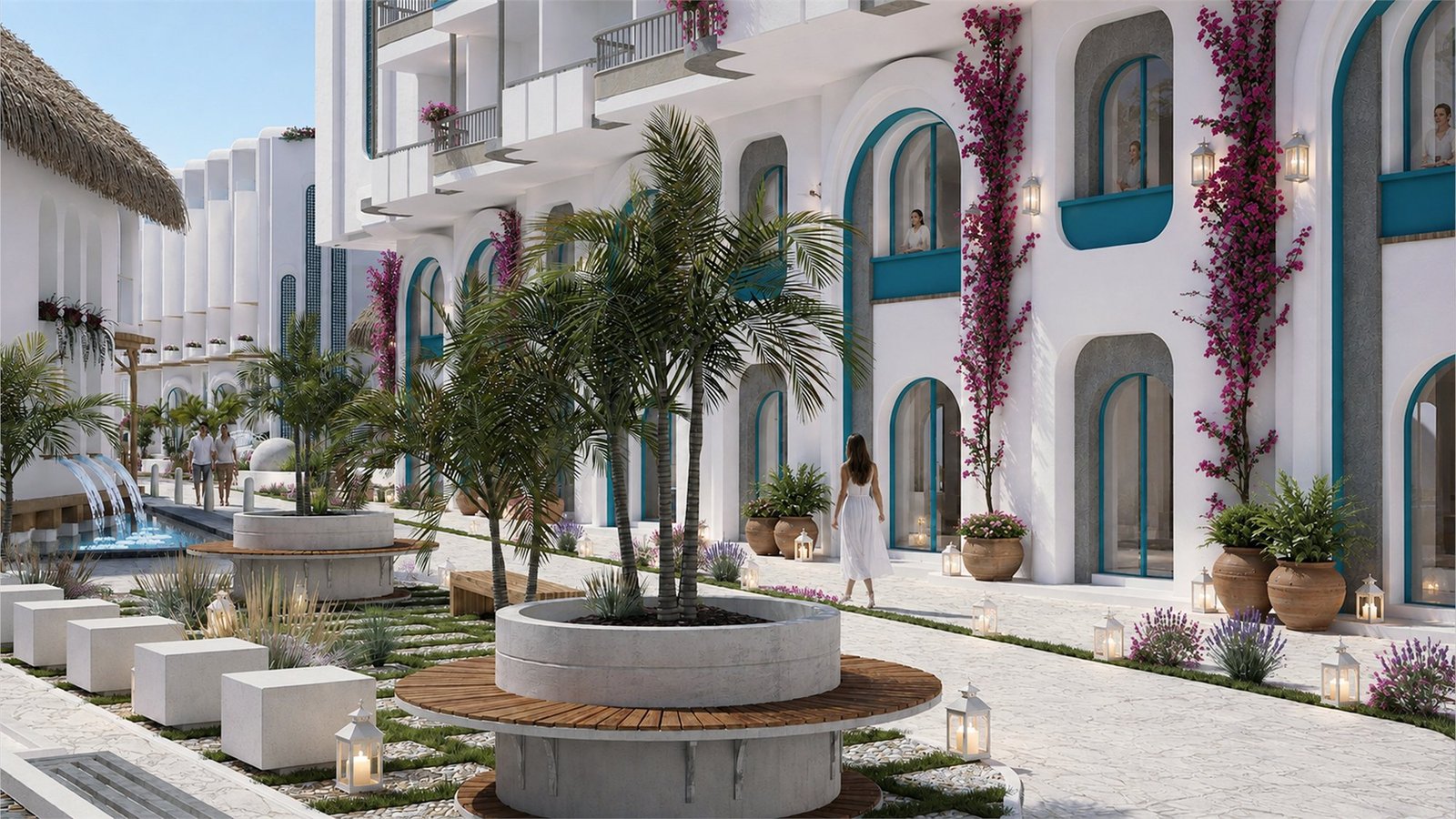
Renders are illustrations. The company behind them is the actual purchase.
- The commercial register and tax card. Ask for the legal entity name, then check that the name on the contract, the bank account and the receipts is the same.
- Project approvals. Ask to see the building permit and the project approvals for the phase you are buying.
- A completed project. Visit one, or send someone. Ask owners whether delivery was on time, whether snagging was fixed, and whether registration happened.
- Escrow. Ask whether buyer payments are held in a dedicated project account, and ask for the bank’s name. A licensed developer should answer without hesitation.
- The salesperson. Confirm who they work for. An independent broker can be useful, but the promises that matter must appear in the developer’s contract, not in a chat.
Protect the payment
This is where distance becomes expensive. The rule is simple: money follows the contract.
- Pay the reservation and the instalments to the developer’s corporate account, in the name shown on the contract. Never to an individual, and never to an account in another country because it is convenient.
- Ask for the bank details in the contract or on company letterhead, and confirm them by a second channel before the first transfer.
- Keep every SWIFT confirmation, receipt and statement. They are your proof of payment if a dispute starts.
- Check what currency the contract uses. A price in EGP paid from a foreign account carries exchange risk, and the rate on the day of payment is not the rate in the brochure.
- Read the reservation terms. A deposit should have a defined refund position if the contract is not signed.
- Do not send a large payment before the unit number, price, payment schedule and delivery date are written down.
Signing from another country
Most developers will accept a reservation digitally. The sale contract is stricter.
- If you cannot travel, you will usually sign through a power of attorney. It must be executed and notarised in your country, legalised or authenticated as your consulate requires, then translated into Arabic by a certified translator. Confirm the exact order with your lawyer and the Egyptian consulate before you start, because a wrongly legalised document is a wasted trip.
- Choose the attorney carefully. A general power of attorney gives away more control than you need. A limited one, naming the unit, the developer and the permitted acts, is safer.
- Ask whether the developer accepts a scanned signed contract followed by couriered originals. Get that in writing before you rely on it.
- Use a lawyer who acts for you, not one supplied by the seller. The cost is modest next to the unit.
- Confirm what happens at registration. The contract is one document. Registration of title is the one that matters later, at resale.
Handover without being there
Handover is the moment the unit becomes yours, and the moment most defects are discovered.
- Appoint a representative with a limited power of attorney to attend, inspect and sign the handover minutes on your behalf.
- Prepare a snagging list before the meeting, and add every defect found on the day. Photograph and date each item.
- Ask for a defined period to report defects after handover, and a remedy in writing.
- Take meter readings for electricity and water on the day, and keep the photographs.
- Collect the documents that make the unit usable and sellable: contract, receipts, handover minutes, specification, warranty documents, service-charge schedule and the developer’s transfer or no-objection process.
- Do not release a retention payment, if you negotiated one, until the snagging list is closed.
The first year from abroad
Owning remotely is mostly administration, and it goes better with local help.
- Appoint a property manager for cleaning, keys, guest access and routine maintenance. Agree the fee and the scope in writing.
- If you intend to let short-term, confirm the rental licence, the guest registration rules and who holds them.
- Put utilities and the service charge in your name, and keep the statements. Unpaid balances block a future sale.
- Register for a tax number if you earn rental income, and keep the records your accountant will need in your home country.
- Insure the contents and confirm what the building insurance covers.
- Visit once in the first year if you can, even briefly. A week of seeing the unit in use answers more than another year of emails.
Red flags that should stop the process
- A payment request to a personal account, or to an account with a different name from the contract.
- No written delivery date, or a date described only as a quarter or a year.
- A specification that says “fully finished” without an itemised list.
- A developer who cannot name a completed project, or owners you can speak to.
- Pressure to pay before you have seen the contract, the unit number or the escrow arrangement.
- Guaranteed rental returns with no management contract, no track record and no explanation of who pays if the bookings do not arrive.
- A power of attorney requested with wider powers than the purchase needs.
Buying from abroad is not a leap of faith. It is a purchase with more paperwork and fewer assumptions.
Where our releases sit
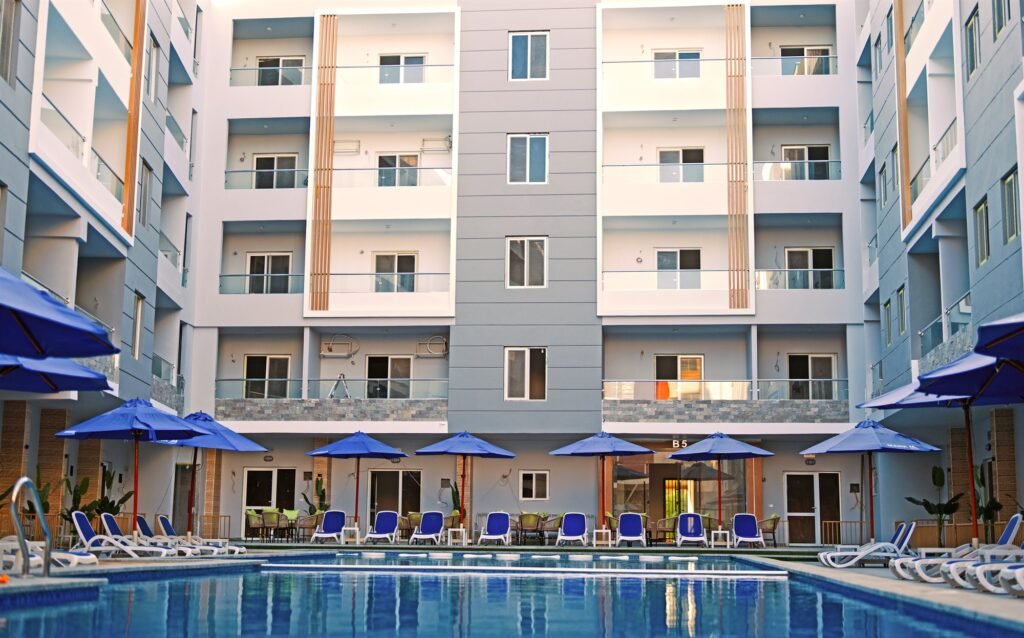
Al Arabia builds in Al Ahyaa and Al-Kawther, and works with overseas buyers as a normal part of the process. We will arrange a live walkthrough of the exact unit, send the specification, the payment schedule and the service-charge terms, and name the account and the delivery date in the contract before you transfer anything. Talk to the team or compare the current releases.
If you have not bought in Egypt before, read buying property as a foreign investor for the ownership process and the costs to budget for. If you are choosing between off-plan and a finished unit, read what a Red Sea payment plan really costs.
See it in our projects: Hurghada Heights and Lavanda Beach Resort are both selling now in Hurghada. For current units, prices and payment plans, message our team on WhatsApp.
Ready to talk it through?
Our team can walk you through the details for any of our communities.