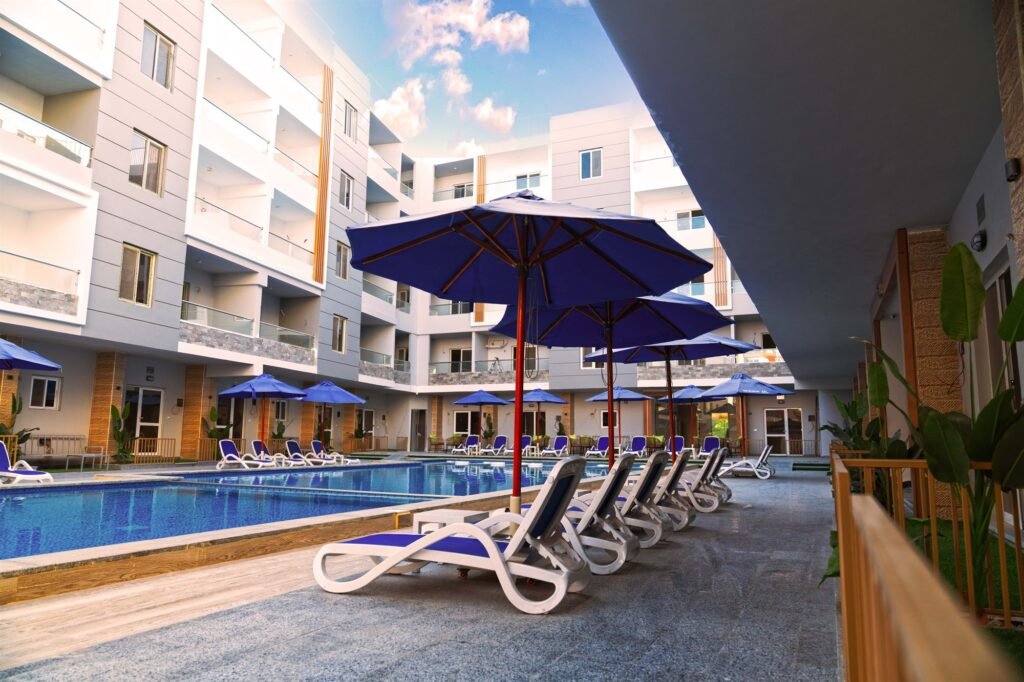

Most buyers study the entry and ignore the exit. What drives resale value on the Red Sea, what selling costs, and how to buy for the next buyer.
Every buyer studies the entry: the price, the plan, the view, the handover date. Very few study the exit. Yet the exit is where a return is realised, and most of what determines it was fixed on the day of purchase.
This is not an argument for buying only what is easy to sell. It is an argument for knowing which choices you are making, and which ones the next buyer will pay for.
The next buyer is not you
Your buyer will not share your taste, your timing or your reasons. They will ask five questions. What does it cost to run? What can it earn? Is the paperwork clean? What is the view? And why should I buy yours rather than the developer’s next phase?
If you cannot answer those five before you sell, you are relying on the market to answer them for you.
What holds value
Resale value is made of a small number of durable things.
- View and orientation. Sea, pool or garden usually beats a car park or a service road, and the premium survives the cycle.
- Layout and outdoor space. An efficient plan with a usable balcony or terrace is easier to furnish and easier to explain.
- Community services and management. Professional management, security and maintained common areas protect the value of every unit in the compound.
- A service charge that is low and predictable. Buyers accept a charge they can understand. They discount one that is high or unexplained.
- Clean title and registration. The unit that can be transferred without a legal project is worth more than the one that cannot.
- A rental record. Two seasons of documented bookings answer more questions than any brochure.
- Size in the middle of the range. The mid-sized unit in a community sells to the widest group. The smallest is a compromise and the largest is a specialist purchase.
What caps resale
- A large release of identical units in the same phase, competing directly with your listing.
- The largest or the smallest unit in the community, which narrows the buyer pool.
- A ground-floor unit facing a road, car park or service area, whatever the interior.
- A high service charge with no visible service to justify it.
- An unregistered title or an off-plan contract that cannot be assigned freely.
- Finishing that dates quickly, or a furnishing package that looks like a rental.
- A community with no rental management, which makes letting harder to explain.
None of these is fatal on its own. Together they decide how long your unit sits on the market and what a buyer will pay to avoid the same problems.
Liquidity is different from price
Al Ahyaa has the deepest buyer pool in Hurghada: the lowest entry point per square metre, a steady flow of new compounds and the widest choice of payment plans. That depth cuts both ways. It is easier to find a buyer, and it is easier for that buyer to choose a new unit instead of yours.
Al-Kawther is the mature southern district, with established infrastructure, limited remaining land and the Mamsha promenade nearby. There is less new supply to compete with, and buyers tend to be more settled.
The resort bays sit at the top of the market. Fewer buyers, higher prices and longer marketing times. The right buyer exists, but you should expect to wait for them.
Price is what you ask. Liquidity is how long you wait to get it.
What selling actually costs
The headline gain is not the money you keep.
- Disposal tax: 2.5% of gross sale value, not of the gain. Your purchase price does not reduce it.
- Agent commission: typically 1 to 2.5%, depending on the arrangement.
- Legal, notary and developer transfer fees: the developer’s no-objection certificate and transfer charge are easy to forget and impossible to avoid.
- Negotiation: the gap between asking and closing, which is wider in a thin market.
- Acquisition costs: already paid, typically 4 to 5%, which belong in the roundtrip.
A simple illustrative case. You buy at EGP 3,000,000 and pay 4.5% in acquisition costs, so your total outlay is EGP 3,135,000. You sell at EGP 3,600,000, a 20% increase on the purchase price. Selling costs are 2.5% disposal tax (EGP 90,000), 2% agent commission (EGP 72,000) and 1% legal and transfer (EGP 36,000), a total of EGP 198,000. Net proceeds are EGP 3,402,000, and the profit is EGP 267,000, or about 8.5% on the money you actually committed.
A 20% headline increase became an 8.5% return before tax and before inflation. That is not a reason not to buy. It is a reason to buy with a longer horizon than the brochure implies.
Selling before handover
Off-plan resale is possible in some projects and restricted in others. Ask before you sign, not when you want out.
- Does the developer permit assignment before delivery?
- What is the transfer fee, and is it a percentage or a fixed amount?
- Must the instalments be up to date, or the full price paid?
- Is the contract registered, and can it be transferred?
- Who pays the developer’s administrative charges?
An off-plan contract that cannot be assigned without paying the full balance is not a liquid asset. That may be acceptable. It should not be a surprise.
Paperwork that stalls deals
Deals fail in the last month for boring reasons.
- Title not registered, or registered in a previous owner’s name.
- Outstanding instalments or service charges.
- No developer no-objection certificate.
- Unpaid utilities or real estate tax.
- A unit area that does not match the title.
- A rental licence or guest record that cannot be transferred.
Keep every document from the day you buy: contract, receipts, payment schedule, registration, service-charge statements, utility bills and, if you let, the booking records. A clean file is a selling point.
How to protect resale from day one
- Buy the view and the layout, not the discount. The discount is consumed on day one. The view is sold again at exit.
- Choose a mid-sized unit in a well-managed community rather than the extreme of the range.
- Confirm the assignment clause and the registration path before signing.
- Furnish neutrally, and keep the original specification and receipts.
- Pay service charges on time and keep the statements.
- Register the title as soon as the process allows.
- Keep a record of rental performance, including the quiet months.
Seven questions to ask before you buy with resale in mind
- Who is the likely buyer for this unit in five years, and what will they compare it with?
- How many identical units are still unsold in this phase?
- What is the service charge now, and what has it been over the past three years?
- Is the title registered, and what is the transfer process and cost?
- Can the contract be assigned before handover, and on what terms?
- What has resold in this community, at what price, and how long did it take?
- What does the unit earn in a slow season, not only in October?
Resale value is not set when you sell. It is set by every choice you make from the reservation onward.
Where our portfolio sits
Al Arabia’s communities in Al Ahyaa and Al-Kawther are low-density and beach-adjacent, with resort services and rental management on site. Mark Resort in Al-Kawther and Athena Resort in Al Ahyaa are the current releases. If exit matters to you, ask us for the service-charge history, the assignment terms and the registration path for the unit you are considering. Talk to the team or compare the current releases.
For the income side of the same decision, read what a Red Sea rental really earns. For how the three addresses compare, read Hurghada, El Gouna or Sahl Hasheesh.
See it in our projects: Hurghada Heights and Lavanda Beach Resort are both selling now in Hurghada. For current units, prices and payment plans, message our team on WhatsApp.
Ready to talk it through?
Our team can walk you through the details for any of our communities.